
Equitable Lines…
What if… Cyan Lines grew through shared stewardship?
As spring began to stir, Common (Good) People gathered in Stockport to sit with a deceptively simple question: Greener Greater Manchester — equitable for who, and on whose terms?
Cyan Lines has quickly become a high-profile and hopeful prompt in conversations about greening Manchester. As an idea, it carries ambition, visibility and promise. But, as the evening acknowledged, framing matters.
Hosted at What If?, an ideas collective and centre for social and climate resilience, run by An Actions Common CIC, and convened with Common Good, the event brought together local residents, grassroots organisers, built environment professionals, local authority voices and others who wanted to contribute to a shared conversation about the role green and blue spaces play in our cities — and the people who care for them.
Getting our hands dirty
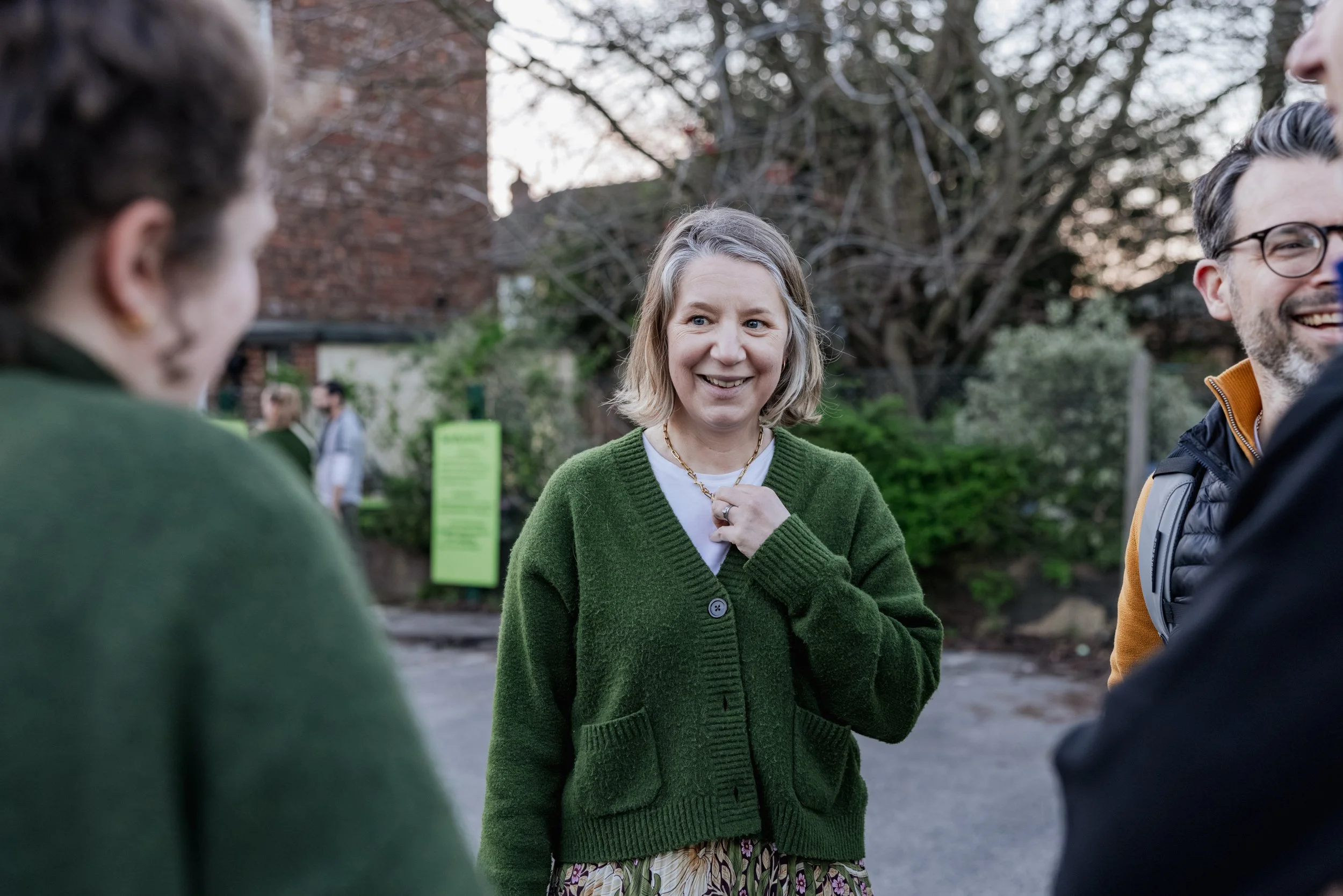
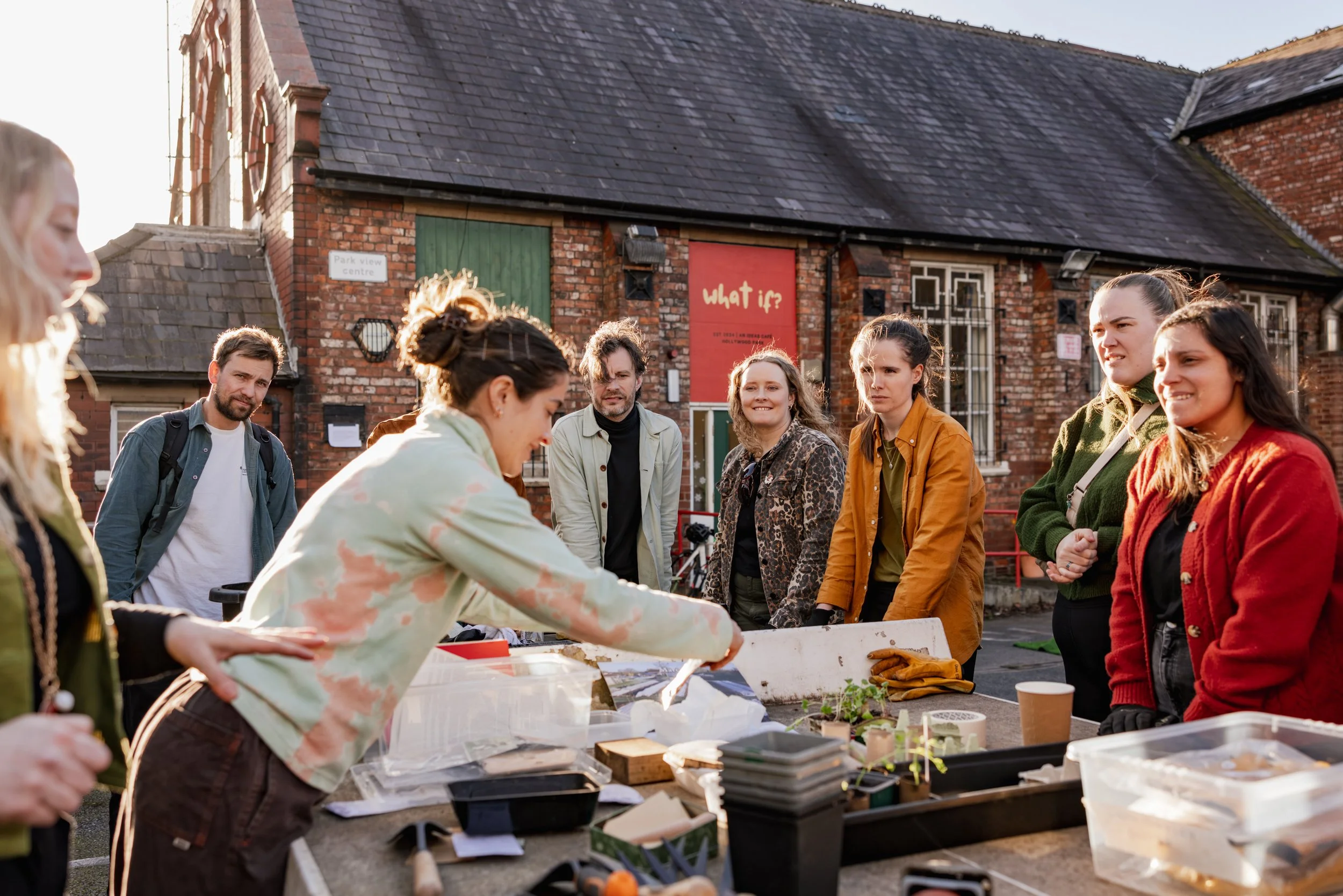
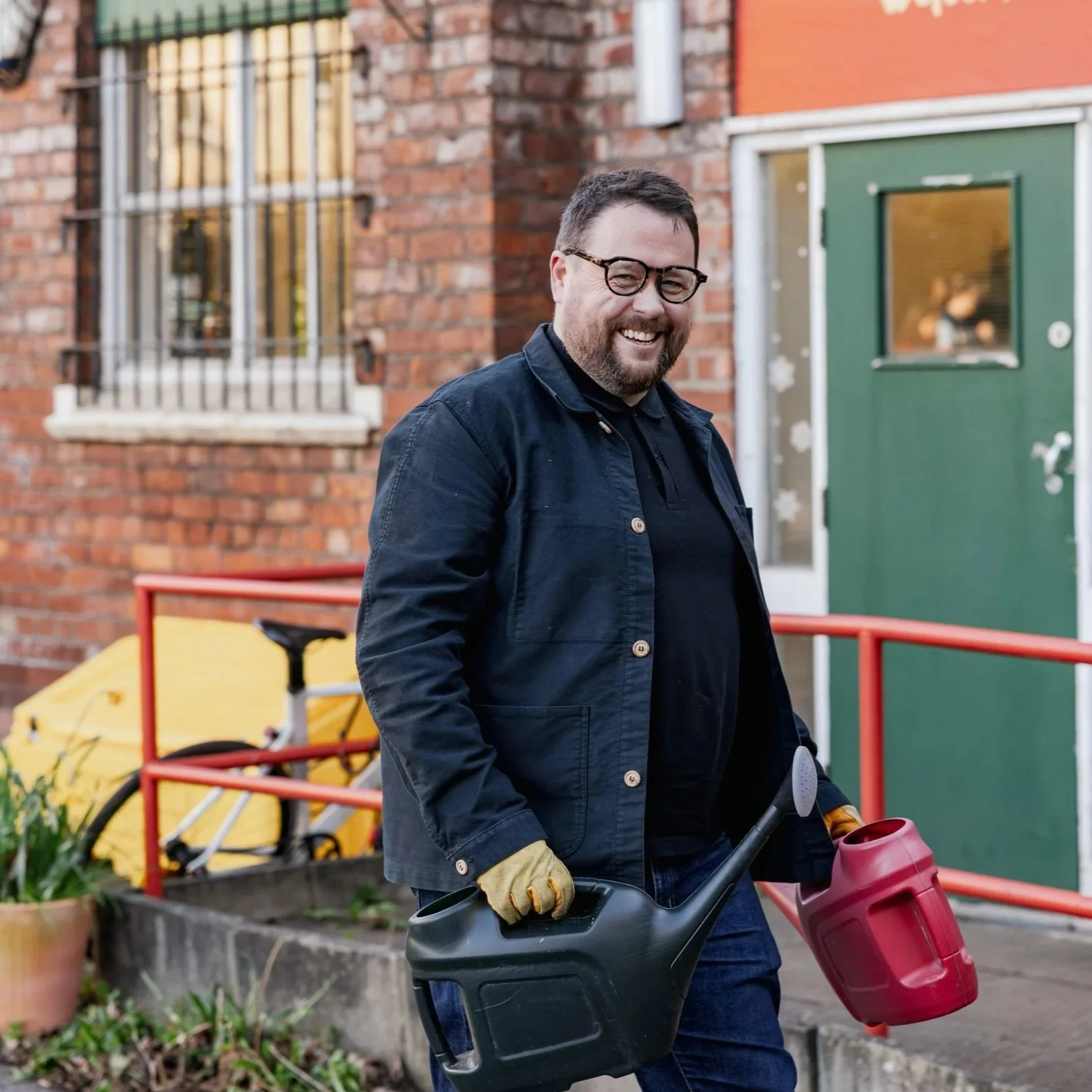
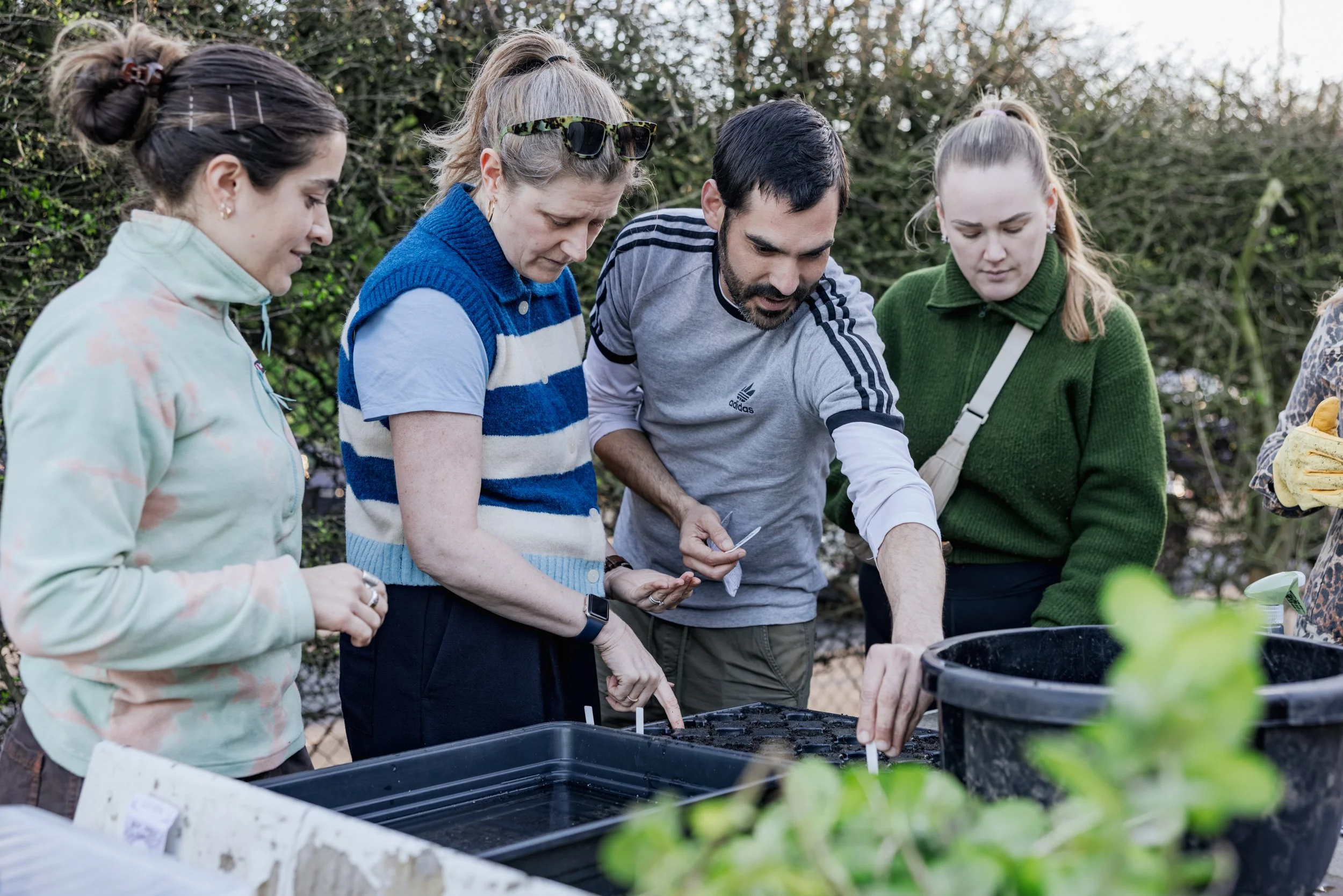
Rather than starting with theory, the event began by getting its hands dirty — literally. A group of volunteers arrived early for a planting workshop as part of a Gardening Action Afternoon, swapping seeds, planting together and talking about what environmental and community activism means in practice. Leftover seeds became part of Stockport's growing Resilient Seed Library, and first-time planters took something home to grow on a windowsill or balcony. Activism, it turns out, can start with a seed tray.
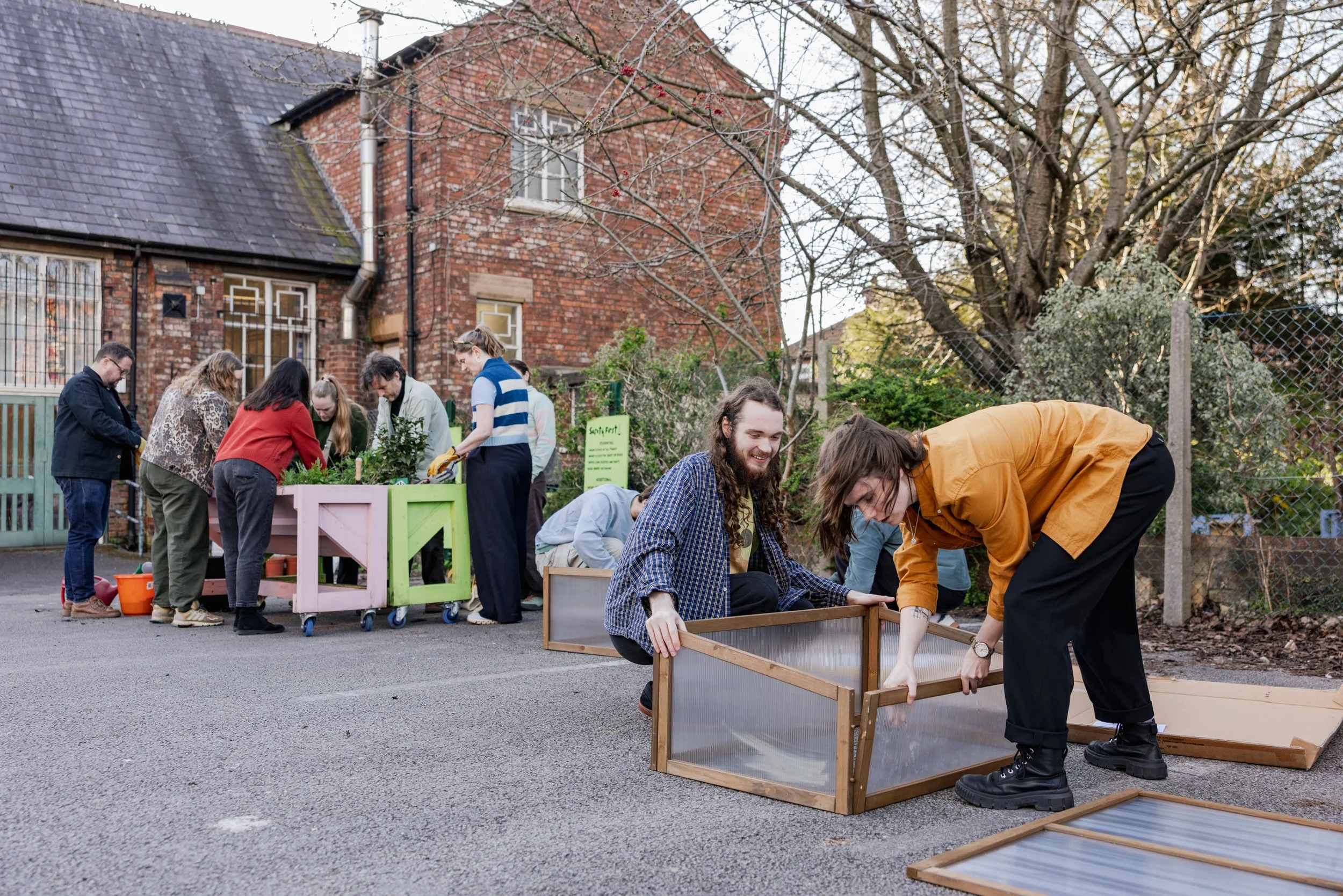
Stewardship on the ground
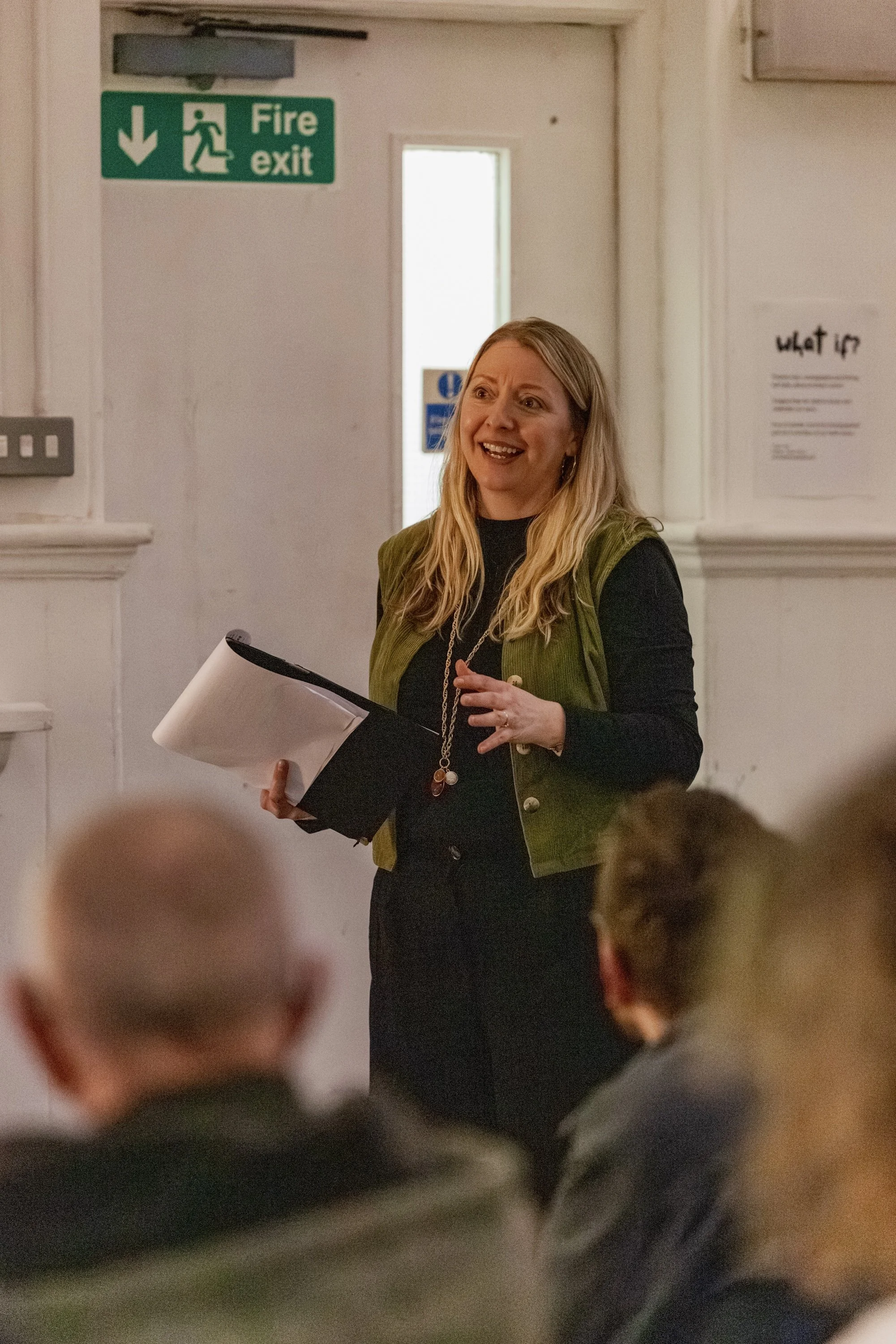
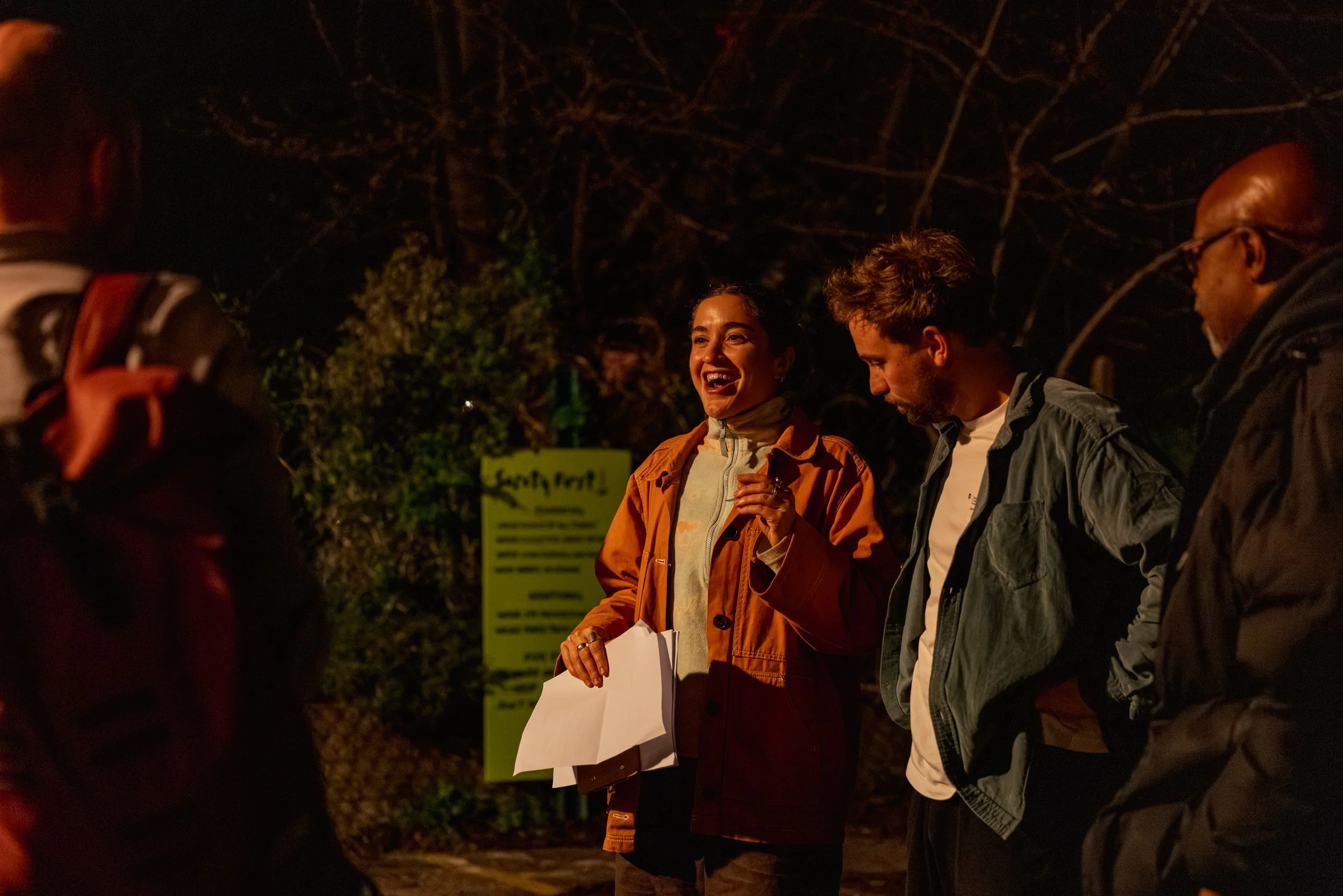
As evening fell, many more joined us. In her opening provocation, Pauline Johnston of An Actions Common named the tension many in the room were quietly holding, and the harder questions followed naturally. As we recognise the hope in the Cyan Lines idea, how do we turn that into something that is good for all who care for our blue and green spaces? How do we ensure that as attention, funding and ambition grow, the people who have been growing these spaces for years are not displaced, but centred and valued?
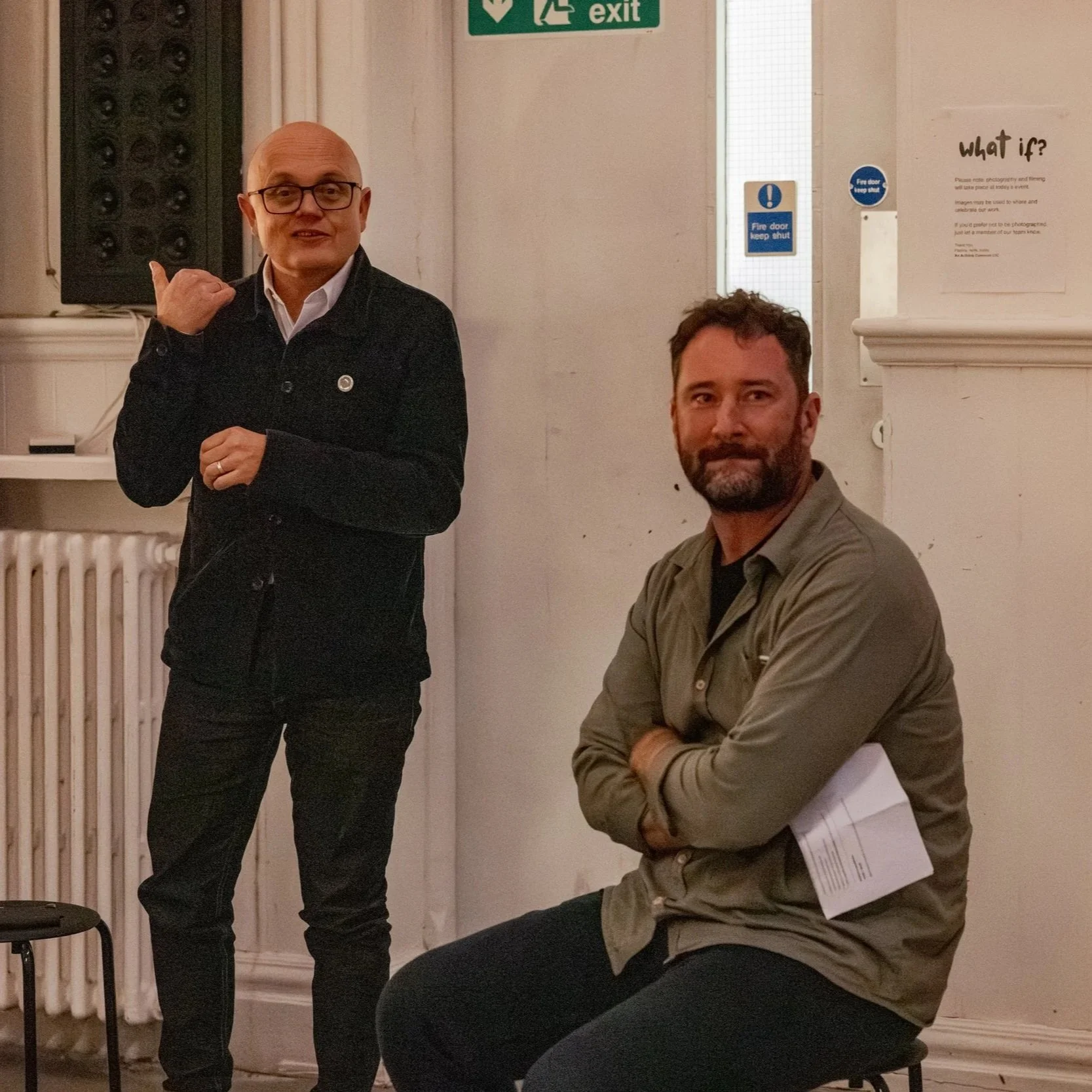
A series of lightning talks followed, chaired by Paul Morris, showcasing what stewardship already looks like on the ground — often under-resourced, sometimes fragile, but deeply rooted.
Steve Connor, Director of CyanLines, brought the big idea into the room: an ambitious network of more than 100 miles of connected parks, green corridors and waterside routes across Greater Manchester — and an open invitation to shape what it becomes.
Belinda Everett, Greater Manchester Bicycle Mayor and founder of Bee Pedal Ready, spoke from years of work making cycling — and the routes and spaces it depends on — genuinely inclusive, connecting grassroots initiatives and championing those communities the network doesn't yet serve.
Sam Payne of Manchester Urban Diggers (MUD) shared the story of turning a disused bowling green in Platt Fields Park into a thriving community market garden, and of MUD's wider mission to grow a fairer local food system, one urban garden at a time.
Brenda Smith of Bud Garden Centre, the bijou independent garden centre in Burnage, reflected on more than a decade of community-rooted growing — peat-free, organic and local — from open gardens and charity fundraisers to co-founding Incredible Edible Levenshulme.
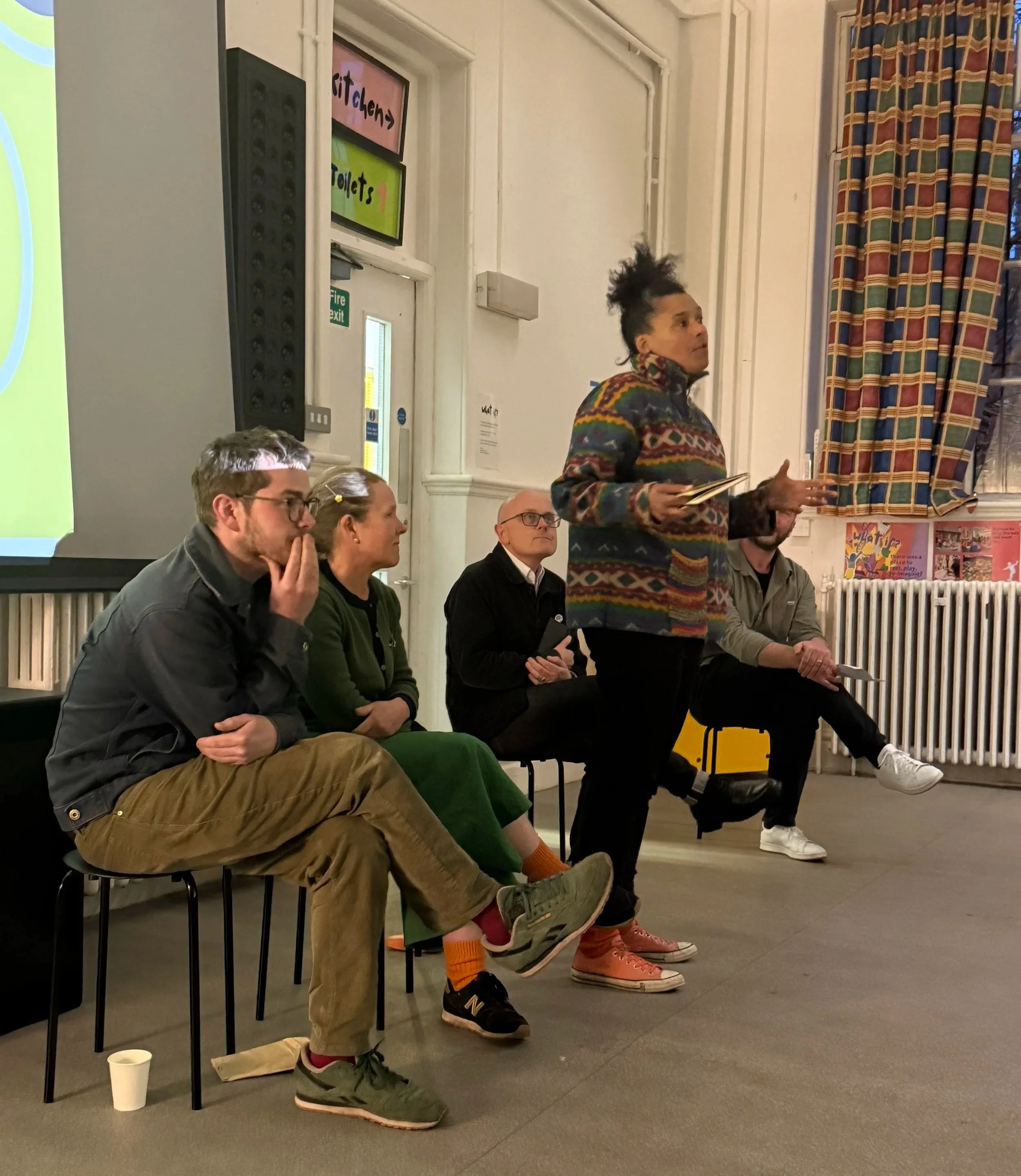
These honest accounts spoke of persistence, compromise and community-led care; the kind that doesn't always fit neatly into funding cycles or glossy diagrams.
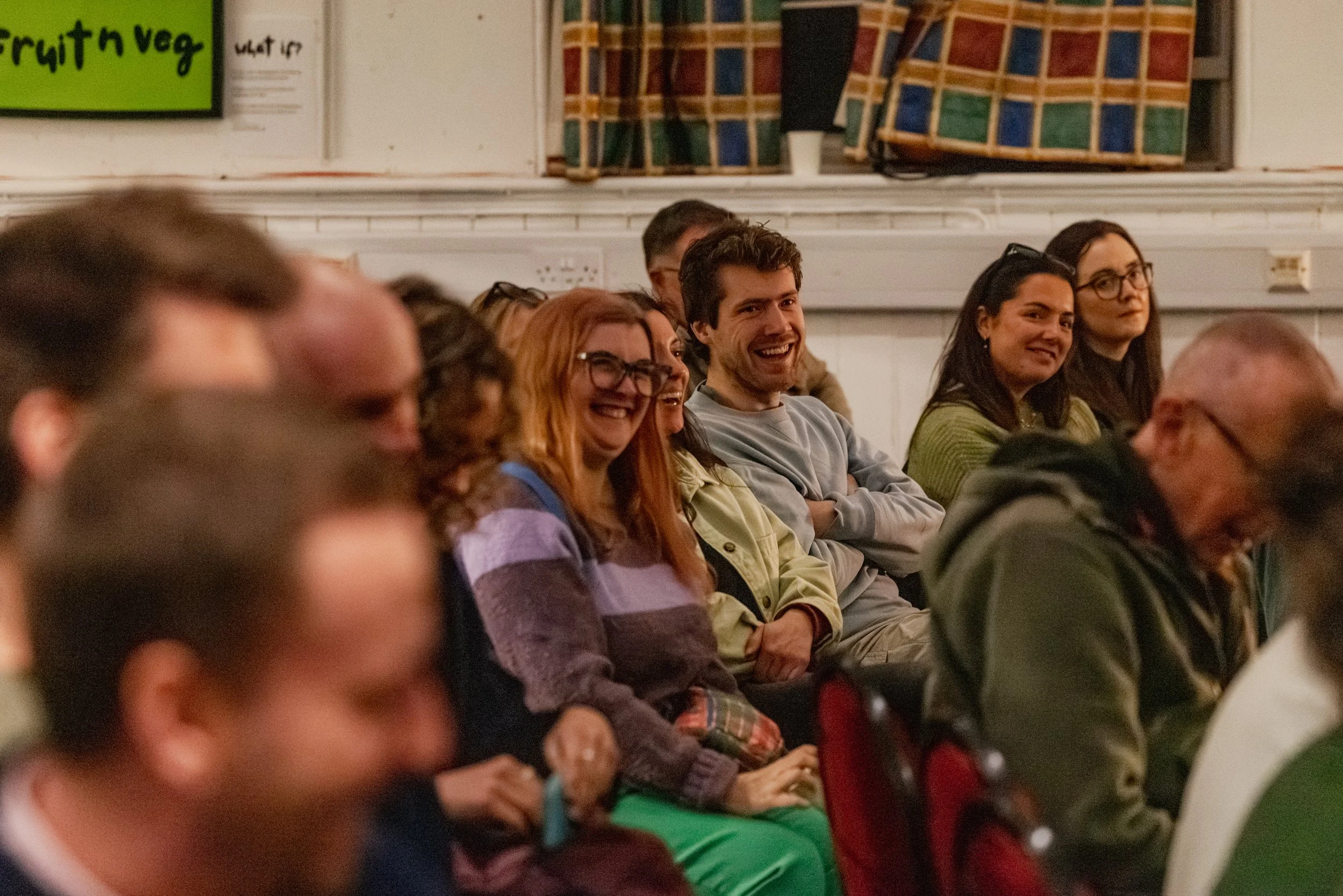
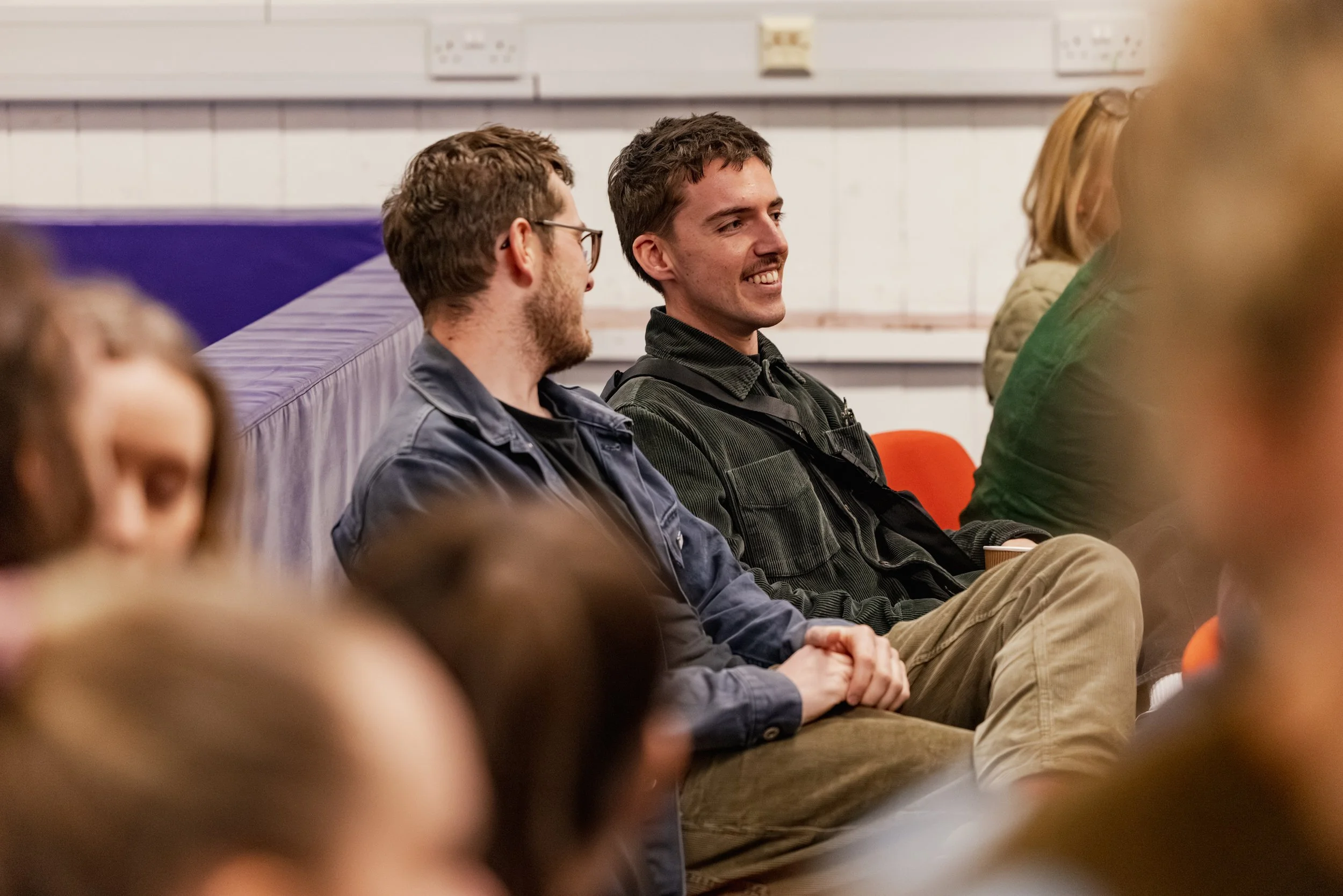
And what if projects like Cyan Lines took a generous, open approach — to narrative, to control, even to budgets — and in doing so gained something far more durable: trust, shared ownership and long-term stewardship?
The room was then opened up for reflection, with voices from across the space adding texture, challenge and affirmation.
What if…?
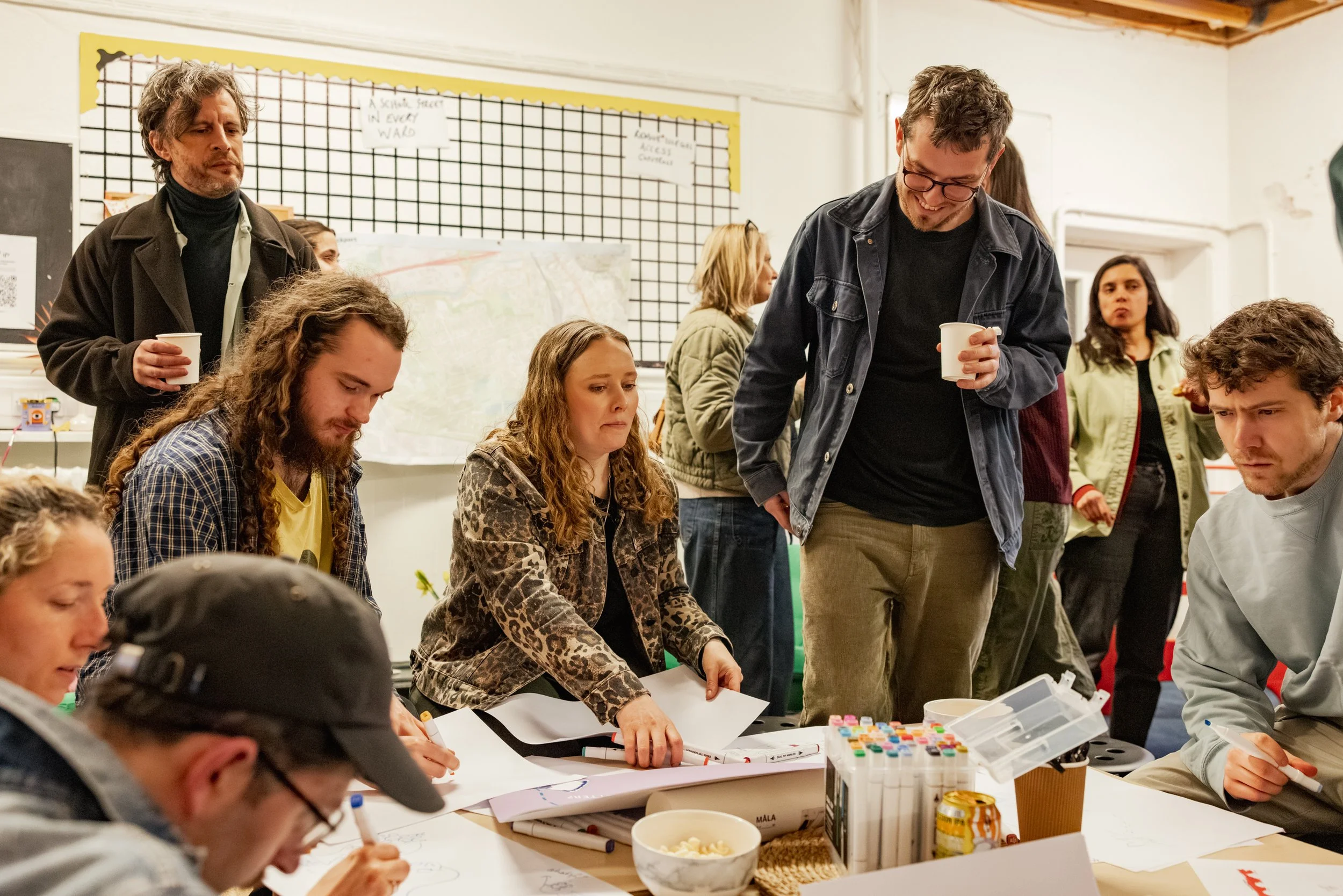
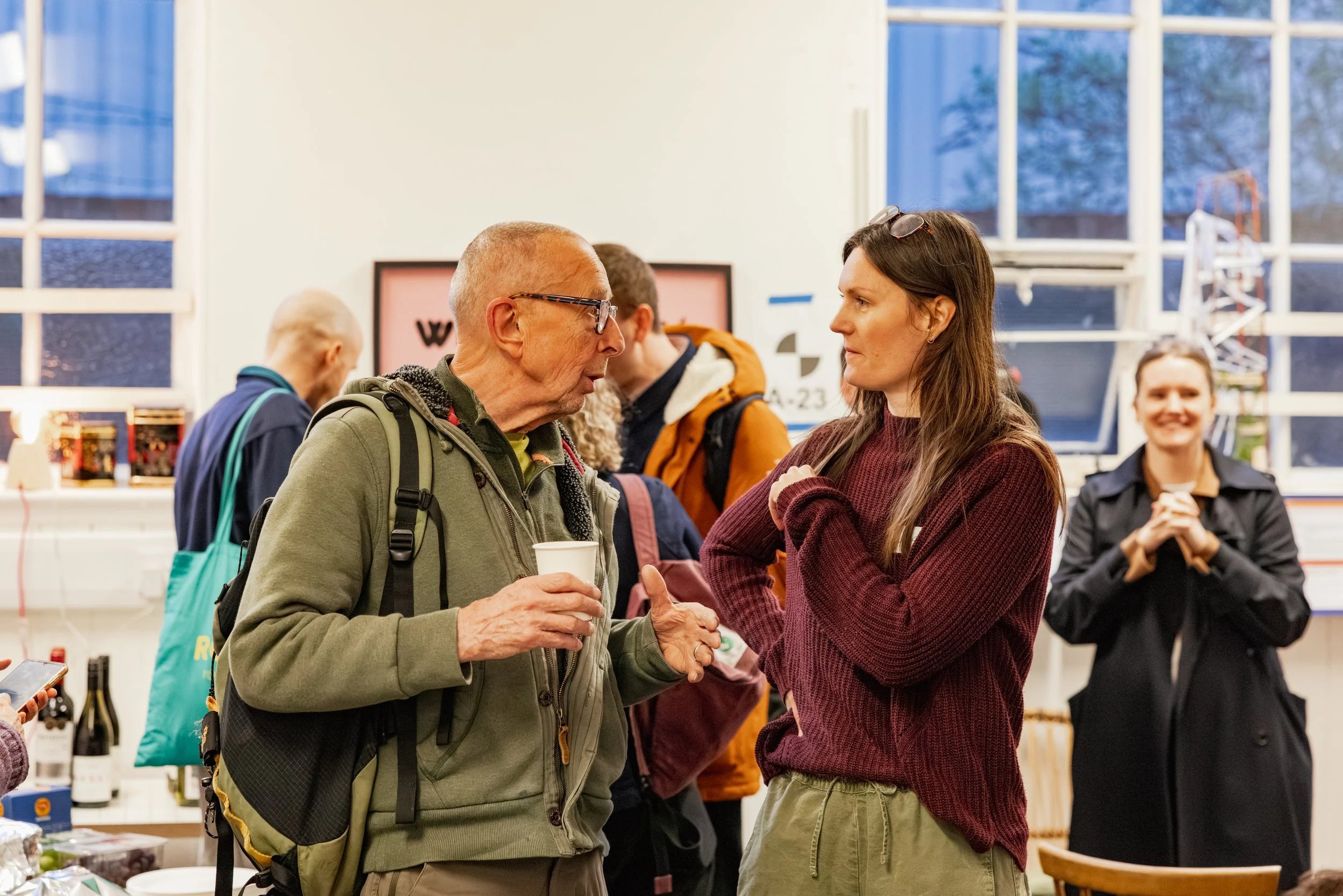
The second half of the evening shifted to discussion. Groups rotated through a series of "What if…?" prompts designed to open up possibility. People talked, drew, mapped, wrote, and planted dreams and hopes on seed paper.
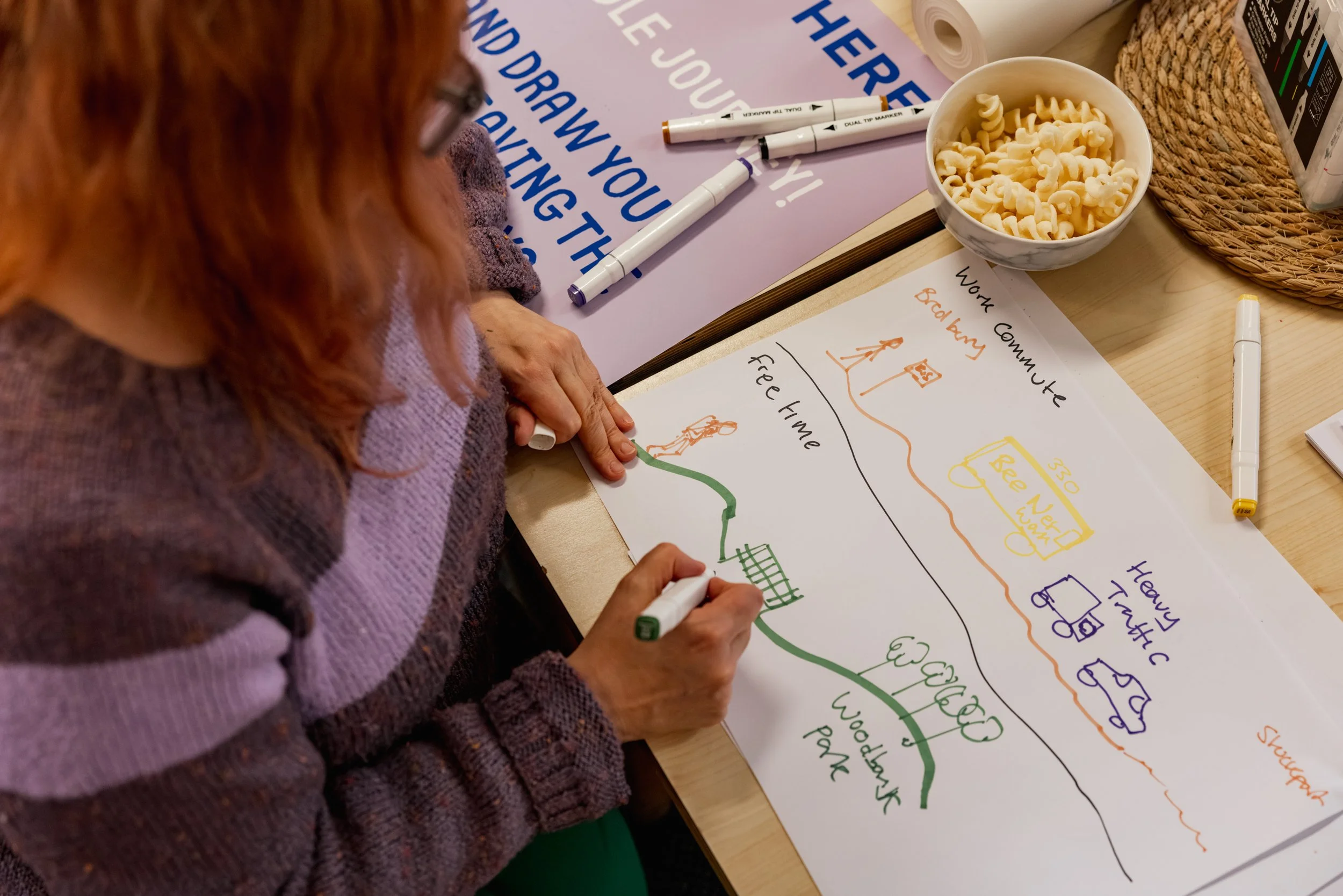
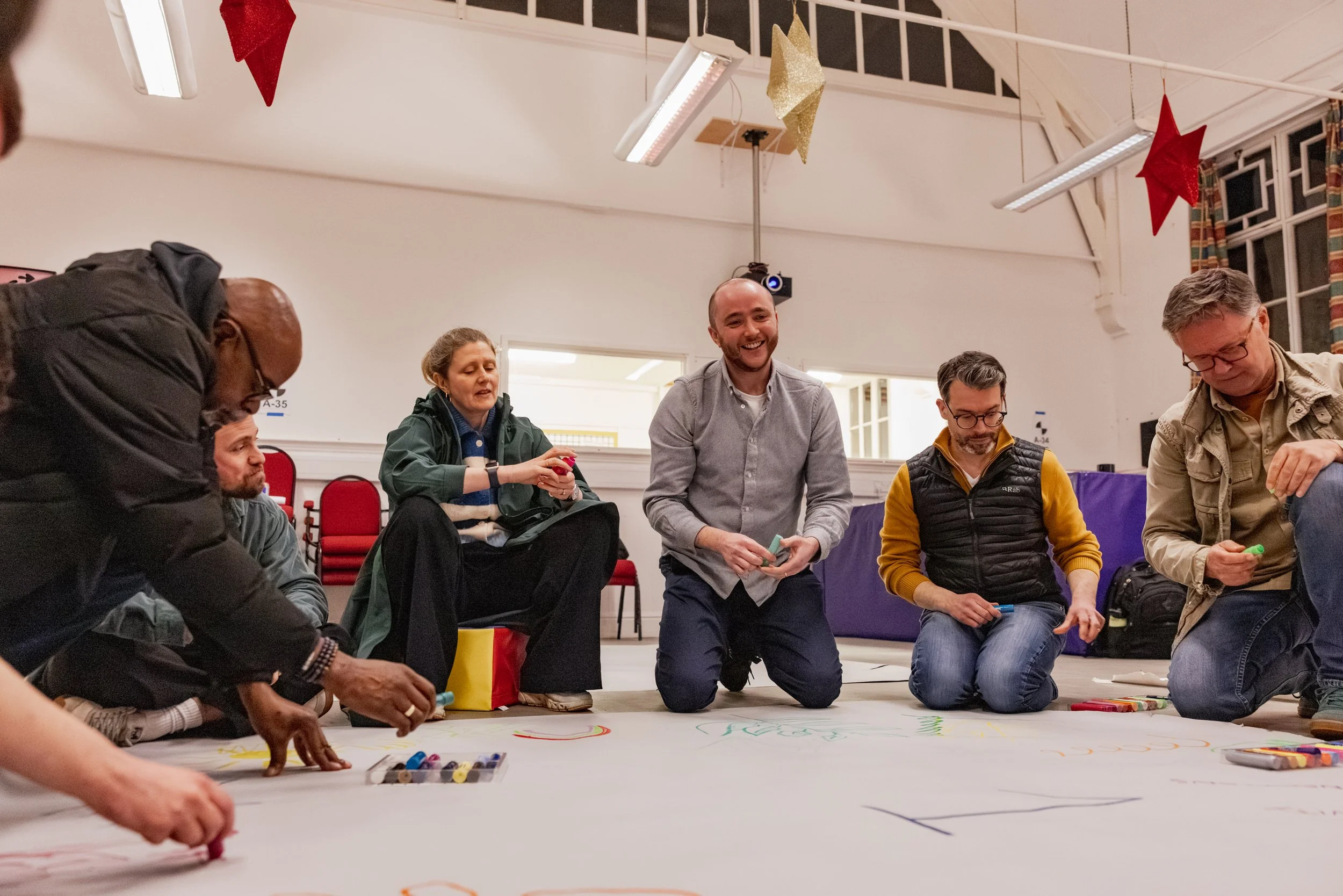
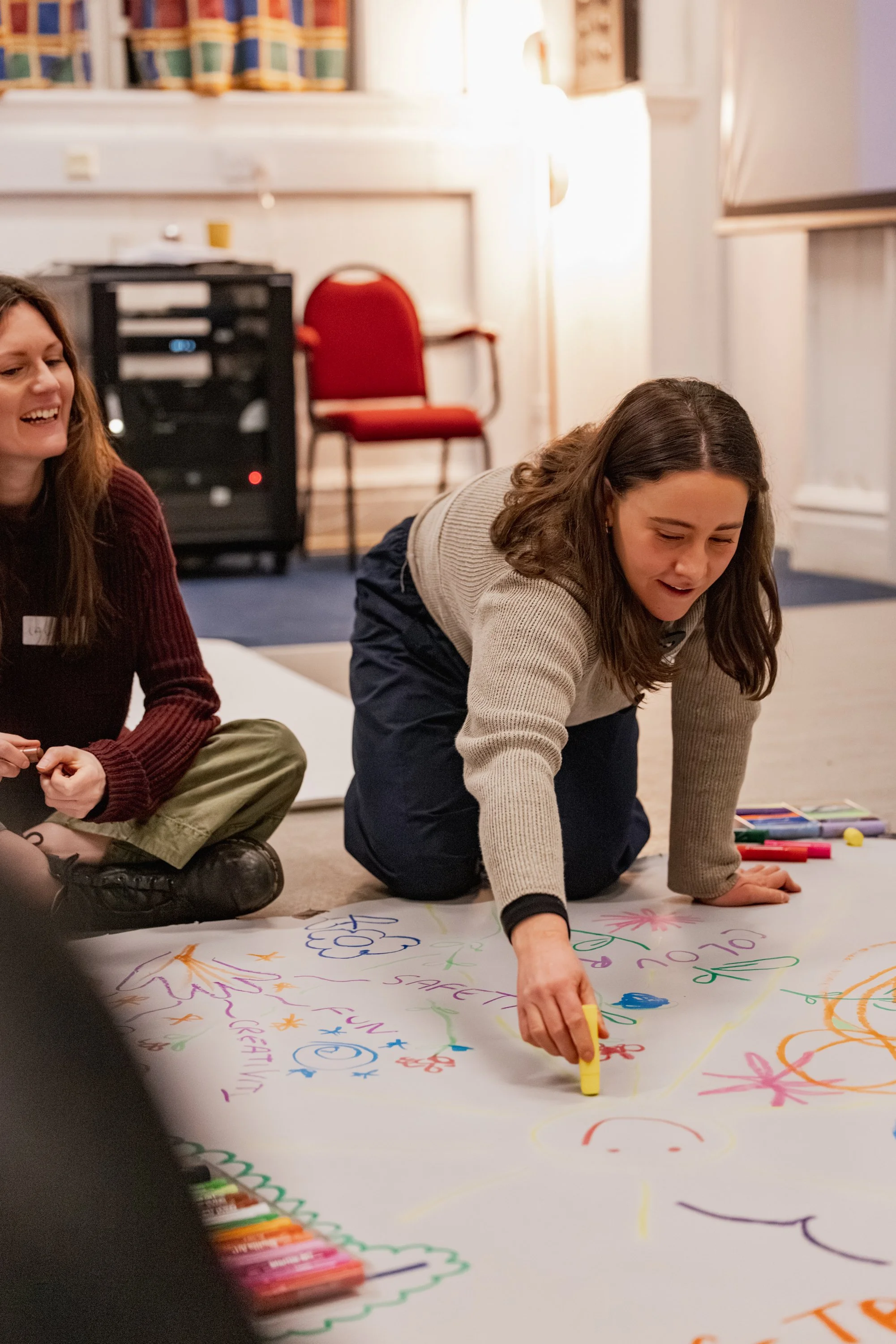
What emerged were questions, principles and reflections — useful, practical and hopeful:
Big ideas need careful framing — ambition and visibility are assets, but only if the story leaves room for the people already doing the work.
Stewardship is already happening — under-resourced and often invisible, community-led care is what makes places liveable and loved.
Equity is about terms, not just access — who holds the narrative, the control and the budgets matters as much as where the green lines are drawn.
Generosity builds durability — open approaches to ownership earn the trust and long-term stewardship that top-down delivery can't.
What if shared stewardship wasn't a nice-to-have, but the starting point?
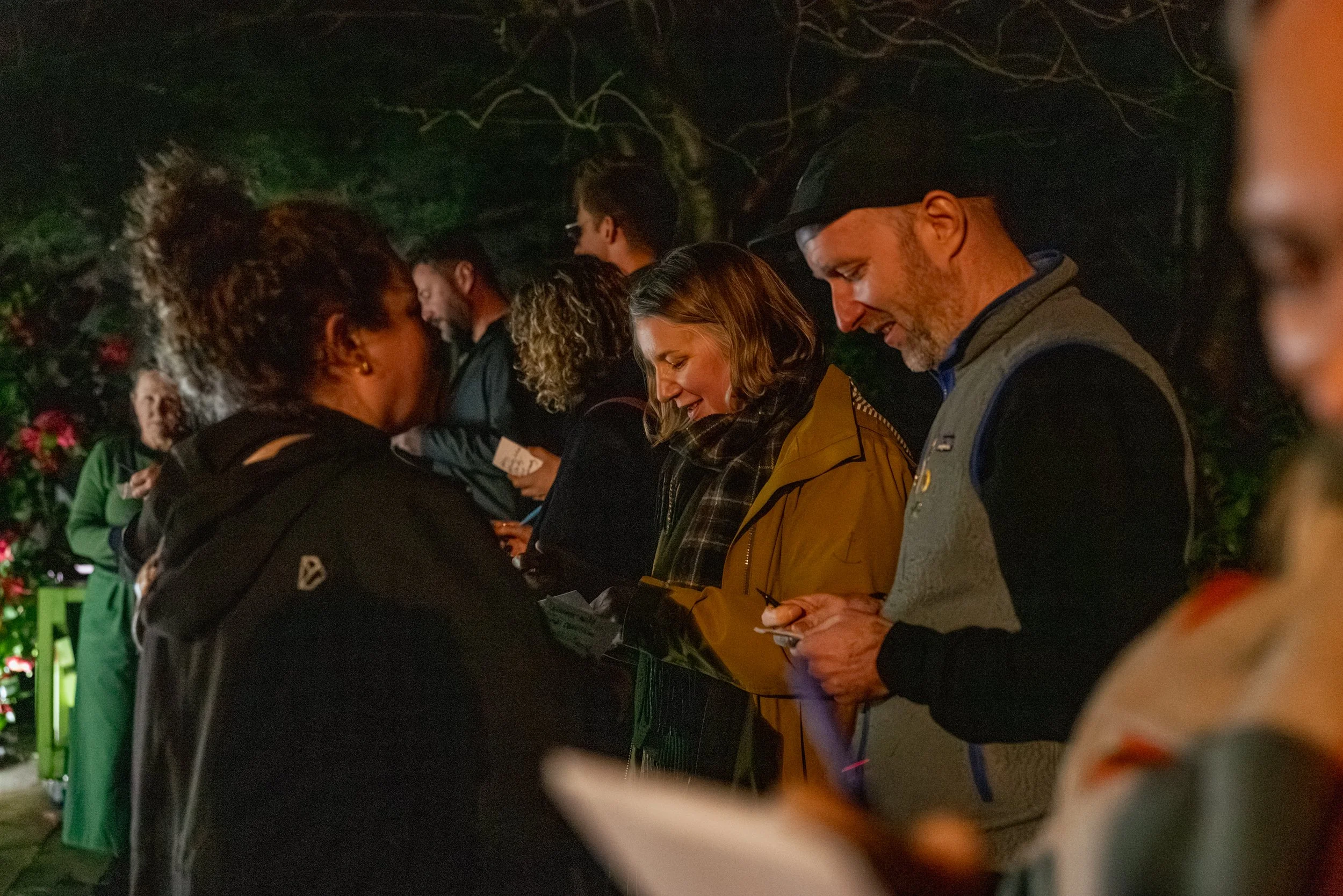
Thanks for having us, What If? — the conversation is just getting growing.